

SOLAR SOLUTIONS
Commercial solar panel installation
A practical solar installation plan, built around your roof, your energy use and your business.
Get a site assessment →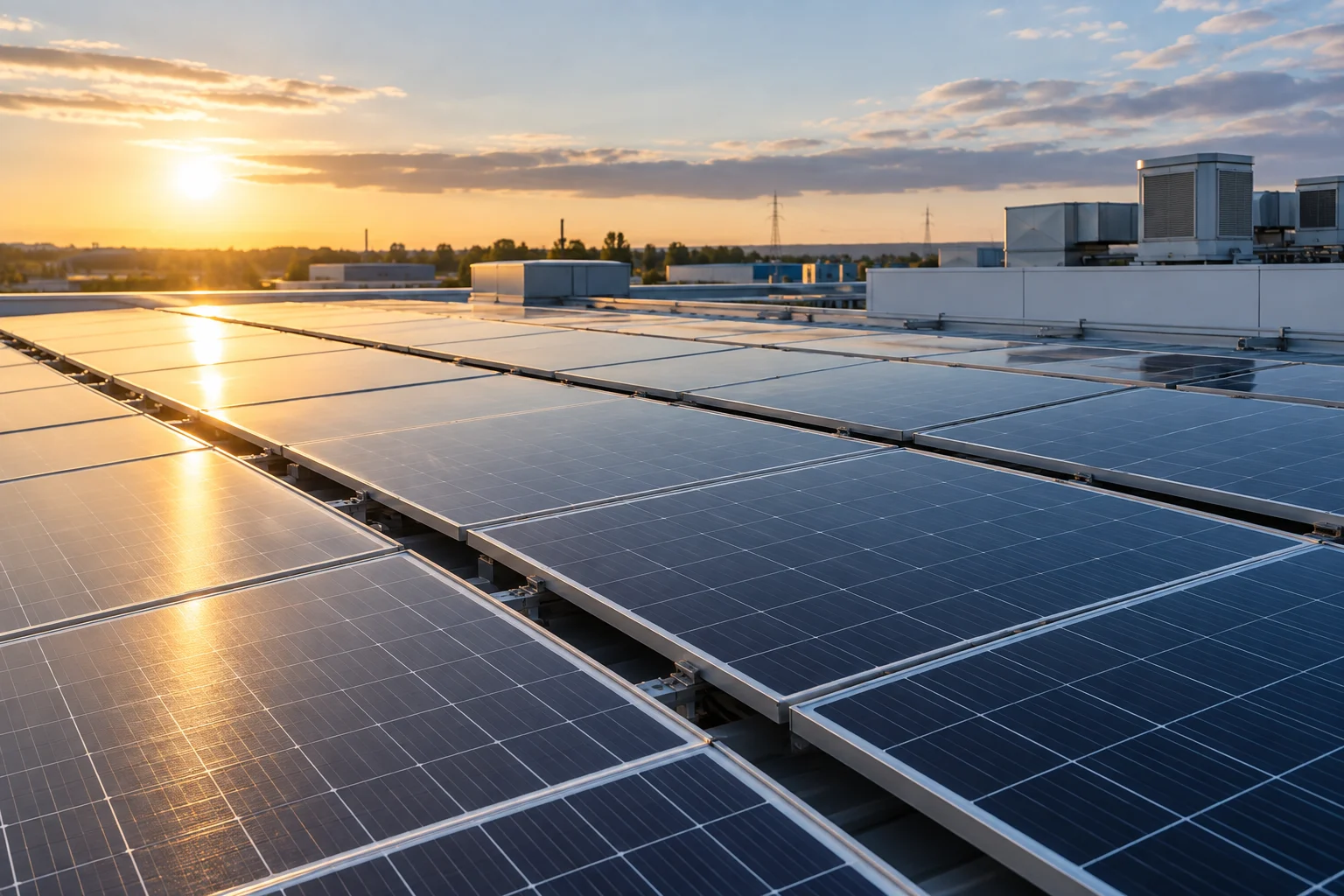
A system built around your business
Commercial solar panel installation starts with understanding how your site works. Your roof area matters, but so do its condition, shading and structure. The way your business uses electricity matters too. A useful assessment brings these details together before a system is specified.
For example, a site that uses power throughout the working day will have different needs from one that runs mainly overnight. Plans to add electric vehicles, equipment or extra floor space can also change the brief. Sharing these plans early helps the assessment reflect how your business may develop.
What to prepare for an assessment
- Recent electricity bills and, if available, half-hourly usage data.
- The site address and details of the buildings you want to assess.
- Information about roof age, condition and access.
- Whether you own the building or need permission from a landlord.
- Plans that may change your future electricity demand.
From roof assessment to installation
An initial review helps identify the questions that need a closer look. Structural checks, electrical design, permissions and grid requirements should be considered by the relevant professionals. The scope and timing depend on the site, so they should be confirmed before work is agreed.
A proposal should explain the system size, expected generation assumptions and equipment choices. It should also set out installation arrangements, maintenance responsibilities and the terms that apply. Ask how the estimate accounts for shading, future changes and any limitations on exporting electricity.
Think about the complete energy system
Solar panels and battery storage serve different purposes. Panels generate electricity during daylight. A battery stores electricity so it can be used at another time. Whether storage is suitable depends on demand, tariffs and the wider system design.
Start with a clear project brief
You do not need a final design to start a conversation. A site address, an overview of your operations and recent bills are a useful starting point. The next step is to establish what information is missing and what checks your project will need.
Explore your next step
Explore your site’s potential.
Start with your postcode and monthly electricity spend.
Consider solar and storage together.
Generation and demand do not always align. Compare how your business uses electricity with expected solar output before deciding whether a battery belongs in the design.
Explore battery storage →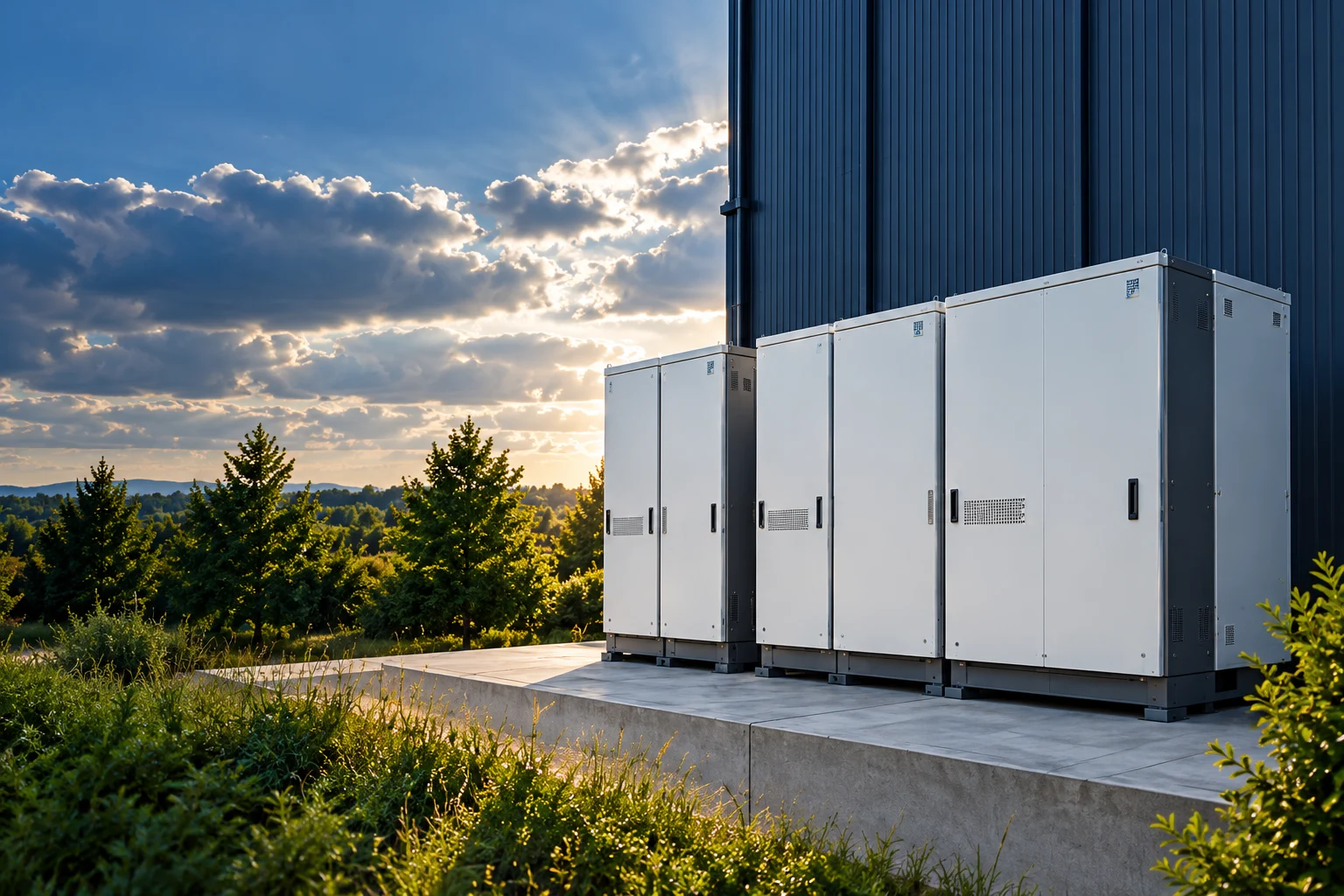
Your questions, answered.
Is my building suitable for commercial solar?
Roof condition, structure, shading and available space need to be reviewed alongside electricity use. An initial assessment identifies what information and specialist checks are needed before a design is confirmed.
What should I prepare for an assessment?
Bring recent electricity bills, the site address and any available roof plans or consumption data. Explain your operating hours and planned changes to the building, equipment or vehicle fleet.
Will installation disrupt the business?
The programme should identify access restrictions, delivery arrangements and any planned electrical shutdowns. Agree how these will be coordinated with your team before work starts.
How are generation estimates prepared?
Ask the proposal provider to explain the assumptions behind the estimate, including system size, shading and site conditions. Review expected generation separately from the electricity your business is expected to use on site.
What happens after installation?
Confirm the handover documents, operating guidance and monitoring arrangements. Clarify the maintenance responsibilities, warranty terms and support contacts that apply to the agreed system.
Start with a clearer plan for your site.
Tell us about your building, electricity use and priorities.