

SOLAR SOLUTIONS
Commercial battery storage
Store electricity for the times your business needs it. Start with your demand, tariffs and system design.
Get a site assessment →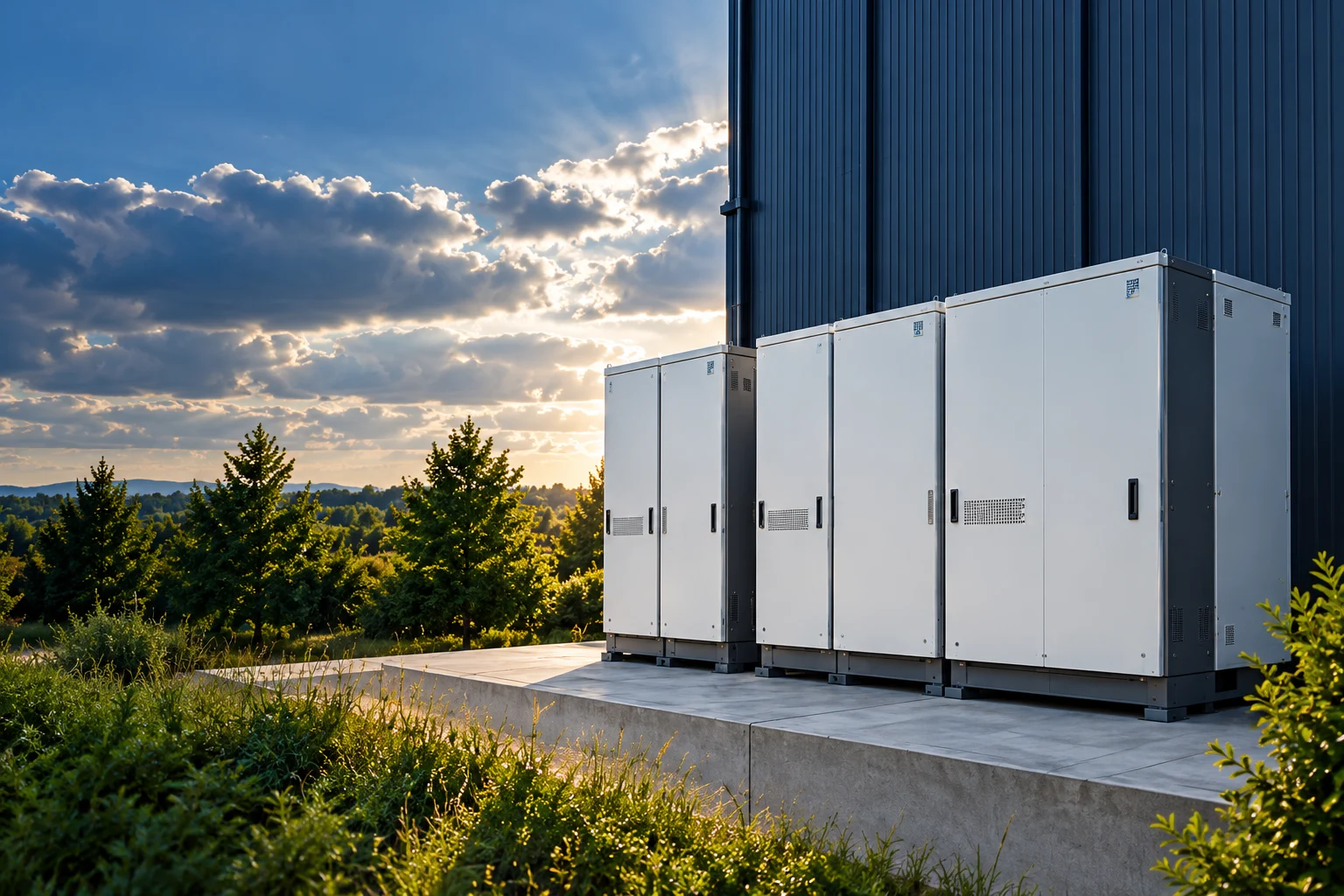
Solar generates. Storage shifts.
Commercial battery storage can hold electricity for later use. Alongside solar panels, it may help a site use more of the energy it generates. The value of a battery depends on how much electricity you use, when you use it and the way the system is controlled.
Start with your demand profile
Battery capacity is only one part of the design. Charging and discharge rates, operating hours and available space also matter. Share your usage data and future plans so the assessment can consider how the battery would operate in practice.
- When does your site use the most electricity?
- How much solar generation could be available to store?
- What space, access and site constraints need to be considered?
- Are there future changes to equipment or working hours?
Consider safety and the whole-life plan
Siting, electrical design, fire safety and maintenance need appropriate professional review. Equipment specifications and warranty conditions should be clear before you commit. Ask who will monitor the system, how issues are reported and what support is included.
Backup power is a separate design requirement. Do not assume that a grid-connected battery will keep every circuit running during an outage. If resilience is important, raise it at the start so the proposed design can address it.
Assess solar and storage together
A combined assessment can compare a solar-only design with options that include storage. It should use transparent assumptions and explain the practical differences. Actual performance will depend on your site, equipment and usage.
Explore your next step
Explore your site’s potential.
Start with your postcode and monthly electricity spend.
Start with the complete energy system.
Panels generate electricity during daylight. Storage shifts when electricity can be used. Assess both against your demand and site constraints so the proposal explains how the complete system will operate.
Explore commercial solar →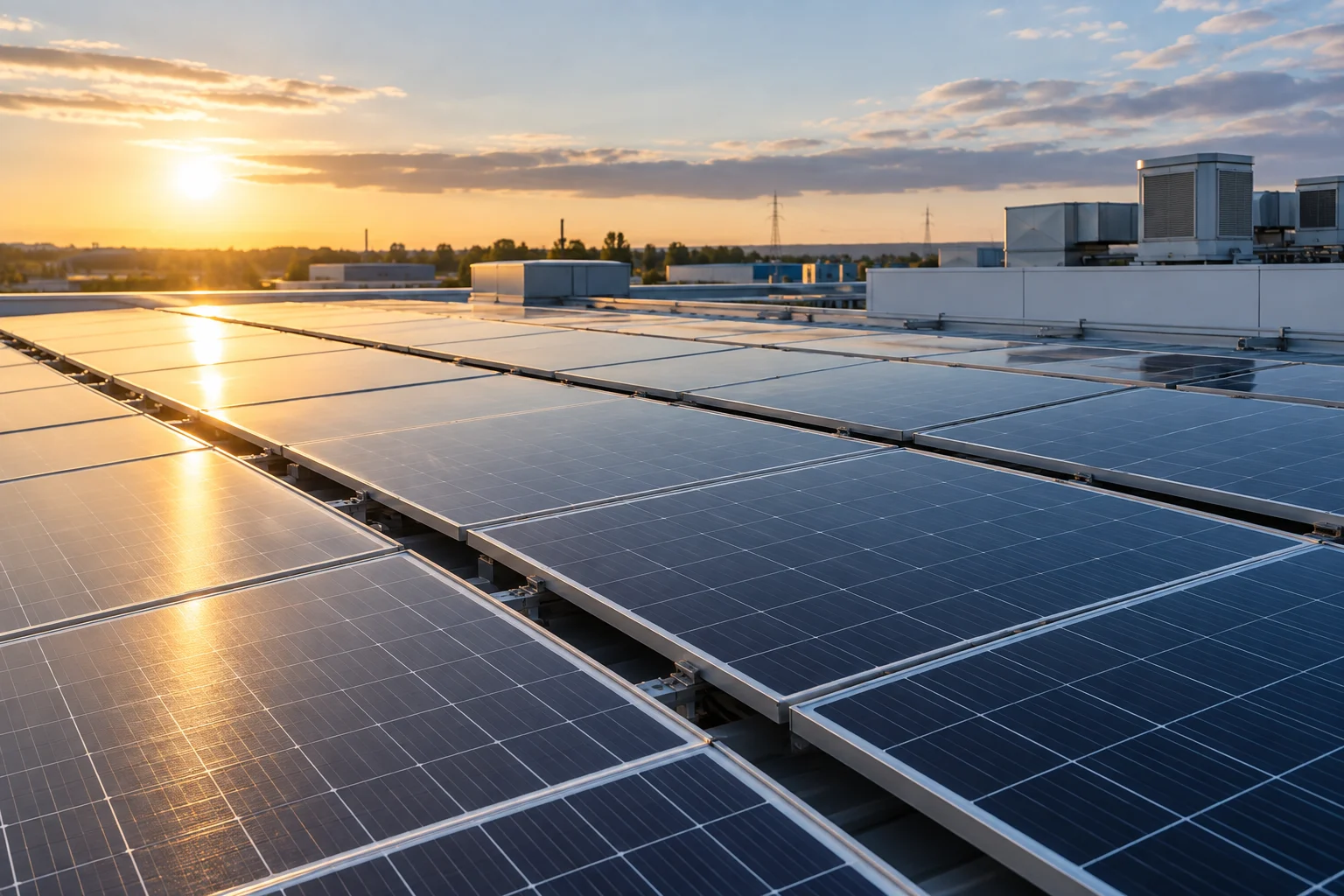
Your questions, answered.
Does every commercial solar system need a battery?
No. Whether storage is useful depends on when generation and demand occur, tariffs and the proposed system controls. Compare options with and without storage before choosing.
How is battery capacity selected?
Capacity should be assessed against consumption data, the intended operating strategy, available space and the wider electrical design. A larger battery is not automatically a better match for the site.
Can a battery provide backup power?
Backup capability depends on the equipment and system design. Do not assume storage will keep a building running during an outage. Ask what backup functions are included and which loads they would support.
Where could a battery be installed?
Location depends on the equipment, site conditions and applicable design requirements. Access, ventilation, electrical connections, environmental conditions and ongoing maintenance need to be considered by the project specialists.
What information helps assess storage?
Share electricity bills, available half-hourly consumption data, tariff details and information about any existing solar system. Include operating hours, major loads and plans that could change demand.
Start with a clearer plan for your site.
Tell us about your building, electricity use and priorities.